The Duty of Aluminum Foundries ahead of time Lightweight Production Solutions
Light weight aluminum foundries significantly contribute to the advancement of light-weight manufacturing solutions. Their innovative casting innovations yield high-strength, lightweight components necessary for markets like automobile and aerospace. This innovation not only enhances product efficiency however likewise advertises sustainability via using recycled materials. As these factories adapt to arising techniques and modern technologies, they pave the method for future growths in producing efficiency and environmental obligation. What exists ahead in this transformative trip?
The Benefits of Lightweight Materials in Manufacturing
As markets increasingly look for efficiency and sustainability, the adoption of light-weight products in production has actually become a crucial method - Aluminum Foundry. These products, especially light weight aluminum and compounds, supply various benefits that boost manufacturing processes and item efficiency. Mostly, their lowered weight contributes to lower power usage throughout transport and procedure, causing considerable price savings
Lightweight products assist in the design of even more complicated geometries, allowing for greater technology in item development. This versatility usually leads to boosted capability and performance, accommodating the progressing needs of modern-day customers.
Furthermore, the use of light-weight products can enhance the longevity of products because of their resistance to corrosion and tiredness. This resilience not just lowers maintenance prices but additionally sustains sustainability initiatives, as longer-lasting items add to less waste. To summarize, the benefits of lightweight materials are essential in driving performance, technology, and environmental responsibility in manufacturing.
Advancements in Light Weight Aluminum Casting Technologies
Current innovations in light weight aluminum casting modern technologies are reinventing the manufacturing landscape, specifically in the manufacturing of lightweight parts. Developments such as high-pressure die spreading and vacuum die spreading have greatly improved the accuracy and surface area coating of aluminum components - Aluminum Casting Company. These methods allow for the production of intricate geometries while lessening material waste and improving mechanical residential or commercial properties
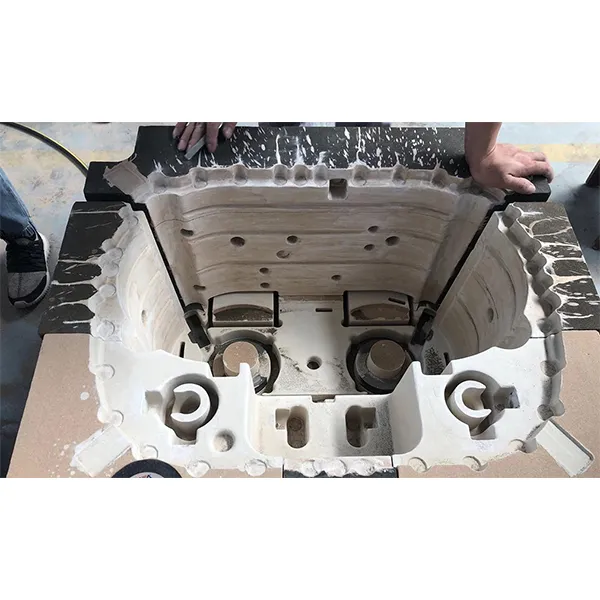
In addition, the implementation of real-time surveillance systems ensures quality assurance throughout the spreading procedure, leading to even more regular product results. Jointly, these advancements not just boost the efficiency of light weight aluminum elements yet also support the market's shift in the direction of even more lasting production techniques.
Applications of Aluminum Elements in Different Industries
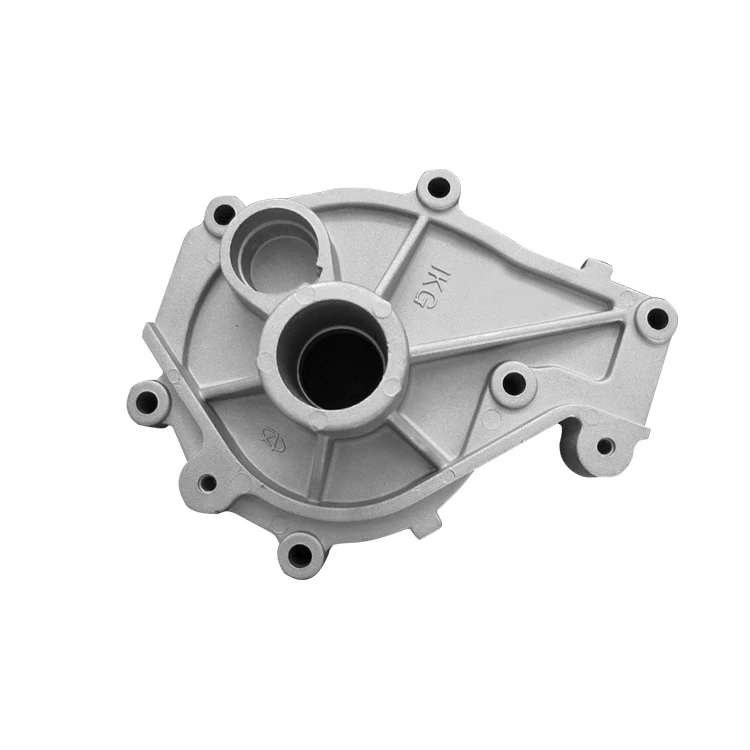
While aluminum components have actually long been utilized in various sectors, their adaptability and light-weight residential or commercial properties remain to drive innovative applications throughout fields such as automobile, aerospace, and building and construction. In the automobile industry, aluminum is significantly made use of for engine blocks, wheels, and body panels, boosting gas performance and performance. Aerospace suppliers take advantage of light weight aluminum for aircraft structures and elements, taking advantage of its strength-to-weight ratio to boost gas economy and payload capability.
In the building and construction market, aluminum is favored for home window structures, roofing, and structural elements, providing longevity and resistance to corrosion while minimizing total building weight. In addition, the electric and electronics industries take advantage of aluminum's conductivity and lightweight nature, utilizing it in wiring, enclosures, and warmth sinks. These diverse applications highlight the crucial role of aluminum elements, which not just satisfy industry needs however additionally add to innovations in product design and capability across numerous fields.
Sustainability and Energy Effectiveness in Light Weight Aluminum Foundries
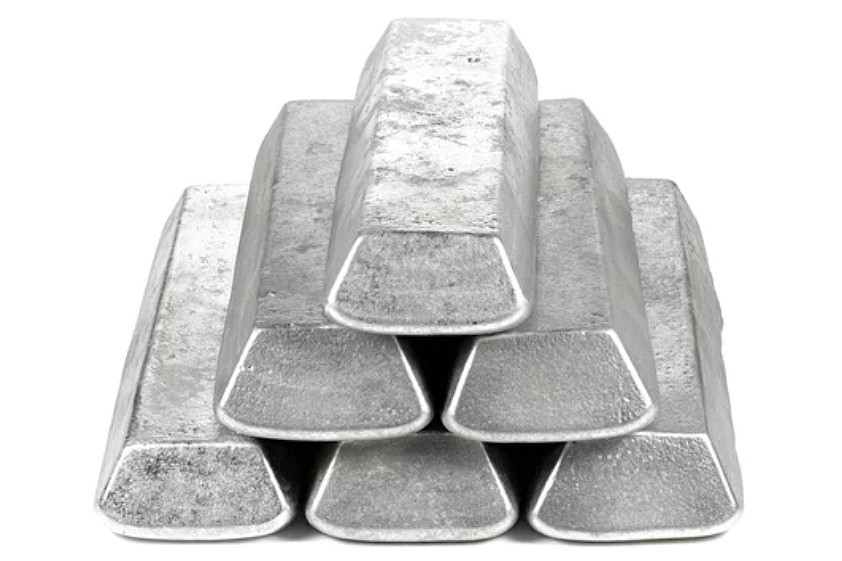
The light weight aluminum shop market plays an important role in promoting sustainability and power efficiency, specifically as demand for light-weight components proceeds to grow throughout various fields. Foundries are increasingly taking on eco friendly practices, such as making use of recycled aluminum, which significantly reduces power intake and greenhouse gas exhausts compared to primary light weight aluminum manufacturing.
Additionally, advancements in casting technologies improve energy effectiveness by maximizing the melting procedures and lowering waste. Strategies like die casting and financial investment spreading permit exact material usage, decreasing excess and scrap.
Furthermore, many factories are buying renewable resource resources to power operations, even more reducing their carbon footprint. Executing energy monitoring systems allows factories to boost and monitor energy usage, guaranteeing they run at peak performance.
Future Fads in Lightweight Manufacturing Solutions
How will arising modern technologies form the future of lightweight manufacturing options? Innovations such as innovative materials, automation, and additive manufacturing are set to my website redefine manufacturing procedures. The assimilation of clever manufacturing technologies, consisting of the Internet of Points (IoT) and man-made intelligence (AI), will enable real-time surveillance and optimization, boosting efficiency and decreasing waste.
As sustainability remains to be a paramount Go Here concern, light-weight remedies will significantly concentrate on recycling and reusing products, straightening with round economic situation concepts. This development in lightweight manufacturing will certainly not only enhance product performance however likewise add to environmental objectives, making certain that the industry continues to be affordable in a rapidly changing market landscape.
Regularly Asked Concerns
Just How Do Light Weight Aluminum Foundries Make Sure Quality Assurance in Production?
Aluminum shops assure top quality control in manufacturing via strenuous testing, standardized treatments, and constant tracking - Precision aluminum casting. They carry out advanced technologies and proficient workers to maintain uniformity, minimize problems, and fulfill sector standards throughout the production procedure
What Are the Main Tests Dealt With by Light Weight Aluminum Foundries?
Aluminum shops face obstacles such as varying resources expenses, maintaining production performance, guaranteeing constant high quality, adapting to technological innovations, and meeting environmental regulations, every one of which effect their overall operational effectiveness and competitiveness in the market.
How Does Light Weight Aluminum Recycling Impact Factory Procedures?
Aluminum reusing significantly improves shop operations by decreasing basic material expenses, minimizing power consumption, and reducing environmental impact. This sustainable method makes it possible for foundries to improve effectiveness while satisfying increasing demand for light-weight, high-performance aluminum items.
What Skills Are Needed for Employees in Light Weight Aluminum Foundries?
Workers in aluminum shops need skills in metallurgy, machining, quality assurance, and security techniques. Efficiency in operating machinery, recognizing alloy properties, and problem-solving are likewise important for reliable production and keeping high safety criteria.
Exactly How Do Light Weight Aluminum Foundries Take Care Of Waste Administration?
Aluminum shops handle waste through recycling scrap steel, making use of effective waste segregation techniques, More Info and sticking to environmental policies. They implement lasting practices to lessen landfill payments, guaranteeing that unsafe products are taken care of properly.
Aluminum shops greatly contribute to the evolution of light-weight manufacturing remedies. Recent developments in aluminum spreading modern technologies are changing the production landscape, particularly in the manufacturing of light-weight elements. While aluminum parts have actually long been utilized in various markets, their versatility and lightweight residential or commercial properties continue to drive innovative applications across markets such as auto, aerospace, and building. In addition, the electric and electronic devices sectors benefit from aluminum's conductivity and light-weight nature, utilizing it in electrical wiring, units, and heat sinks. The light weight aluminum foundry sector plays an essential role in advertising sustainability and power effectiveness, particularly as demand for light-weight components proceeds to grow throughout numerous markets.